Skip to content
 skin
Body
hair
skin
Body
hair
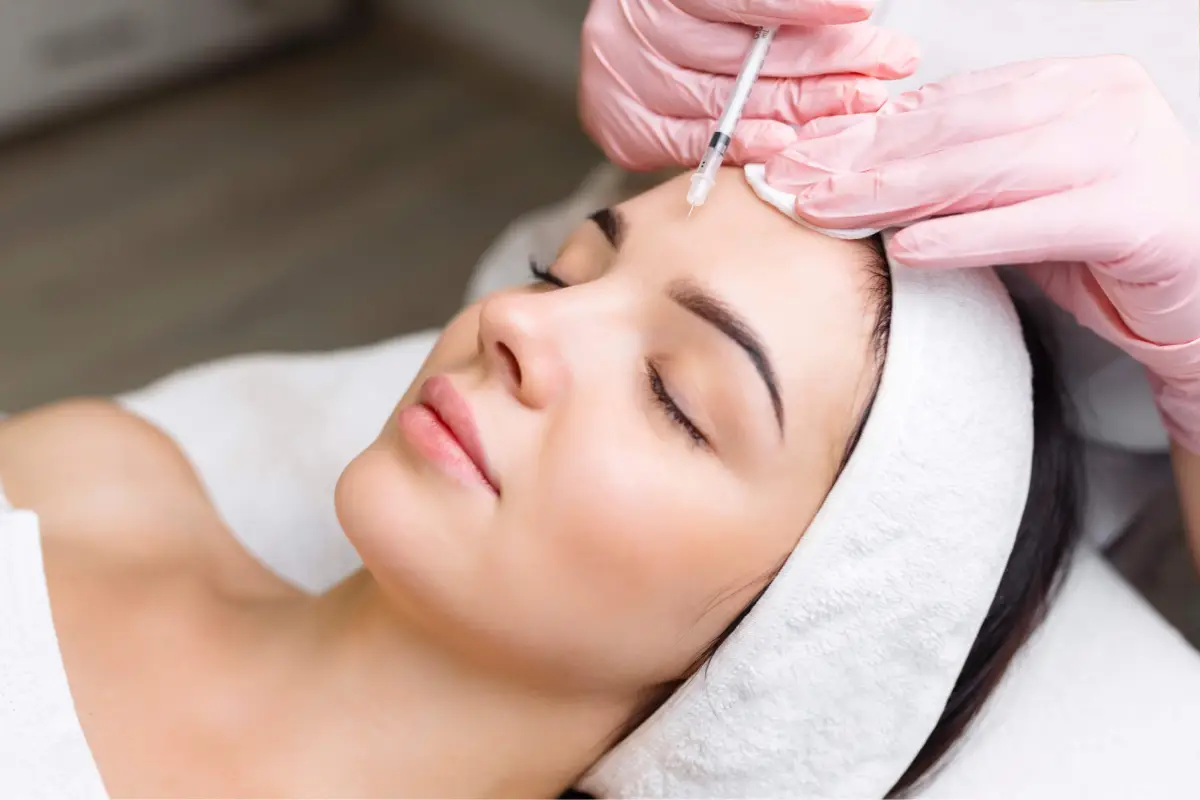
Fine lines can sneak up on you. One day, they only show when you smile, squint, or raise your eyebrows. Then, over time, those same lines may start to stay even when your face is relaxed. That is usually when many people begin thinking more seriously about wrinkle prevention.
At Syracuse Medical Aesthetics, Botox can be part of a thoughtful plan for anti-aging skin treatment in Liverpool, NY. It is not about changing your face or freezing every expression. When used carefully, it can help soften movement-related lines while still allowing you to look like yourself.
How does Botox help prevent dynamic wrinkles and fine lines?
Botox helps prevent dynamic wrinkles and fine lines by temporarily relaxing the facial muscles that create repeated creasing during expressions like smiling, squinting, frowning, or raising the brows. By reducing strong muscle movement in targeted areas, Botox can soften existing expression lines and help slow the progression of deeper wrinkles over time while still allowing a natural-looking result.
Dynamic wrinkles are lines that appear when your facial muscles move. They often show up when you smile, frown, squint, or lift your brows. Over time, repeated movement can cause the skin above those muscles to crease.
Common dynamic wrinkle areas include:
At first, these lines may only show during movement. Later, they can become more noticeable even when your face is relaxed.
This is where Botox becomes relevant. Since dynamic wrinkles are linked to muscle movement, relaxing targeted muscles can help soften these lines before they become deeper.
Botox temporarily relaxes the facial muscles that create expression lines. When those muscles move less forcefully, the skin folds less often, which can help active lines look softer and smoother.
It is different from fillers, lasers, or chemical peels. Botox does not add volume or resurface the skin. It focuses on muscle-related wrinkles, especially forehead lines, frown lines, and crow’s feet.
For patients focused on softening deep forehead lines, Botox may still help, but results depend on how deep the lines are at rest. If skin texture, elasticity, or deeper creasing is involved, additional treatments may also be discussed.
Preventive anti-aging is not about stopping aging. It is about reducing repeated muscle movement before fine lines become more noticeable at rest.
Fine lines often start as small creases during movement. If the same areas keep folding over time, those lines can become more set. By relaxing targeted muscles, Botox may help slow the progression of dynamic wrinkles.
For patients interested in anti-aging for mature skin, Botox can still be useful, but it may be one part of a broader plan that also addresses texture, firmness, and skin quality.
The most common Botox treatment areas are where expression lines tend to show first. These usually include:
At Syracuse Medical Aesthetics, treatment planning is based on how your face moves, not just where a line appears. Two people can have similar forehead lines but very different muscle patterns, brow position, and skin quality.
The goal is balance. Properly placed Botox should help soften lines while still allowing natural expression, so you look smoother and rested without looking stiff.
Botox works best for lines caused by repeated muscle movement. If a fine line appears mainly when you raise your brows, squint, or frown, it may respond well to treatment. If a line is caused by skin texture, sun damage, dehydration, or collagen loss, Botox alone may not fully correct it.
This distinction helps keep expectations realistic. Some fine lines need muscle relaxation. Others need treatments that support skin quality. For example, concerns related to anti-aging skin texture improvement may require a different approach because texture is often tied to collagen, pigmentation, hydration, and surface damage.
Botox may help with:
It may not fully address deeper static wrinkles, loose skin, rough texture, or pigment changes. That does not mean those concerns cannot be improved. It simply means the right treatment plan may involve more than one option.
There is no perfect age to start Botox. Some people notice expression lines earlier because of genetics, strong facial movement, sun exposure, or lifestyle factors, while others wait until fine lines are more visible.
A good time to consider preventive Botox is when the same lines keep appearing during movement, such as forehead creases, frown lines, or crow’s feet. The goal is usually to stay ahead of deeper lines or look less tense without making a dramatic change.
The right timing depends on your skin, facial movement, goals, and comfort level with treatment. A consultation can help determine whether Botox makes sense now or if another skin treatment may be a better first step.
The effects of Botox are temporary, so maintenance matters. With regular treatments, targeted muscles move less strongly during the active treatment period, which may help reduce repeated folding in wrinkle-prone areas.
This is where people often think about long-lasting wrinkle reduction effects. While Botox is not permanent, consistent treatment may help maintain a smoother look by addressing the movement that contributes to certain lines.
Treatment frequency varies based on metabolism, muscle strength, treatment area, and personal goals. For mature skin or deeper lines, Botox may also be paired with treatments that support firmness, hydration, and texture.
Fine lines and dynamic wrinkles are normal, but that does not mean you have to wait until they bother you every day before doing something about them. Botox can support anti-aging prevention by softening repeated muscle movement, helping expression lines look smoother, and reducing the chance that fine lines become more deeply set over time.
At Syracuse Medical Aesthetics, we take a personalized approach to anti-aging skin treatment in Liverpool, NY, so your results can look refreshed without feeling overdone. If you are starting to notice forehead lines, frown lines, crow’s feet, or early fine lines, Schedule your Botox consultation here to discuss whether Botox is the right fit for your goals.
Healthier Skin. More Confidence. Less Stress.
Book your consultation today and experience the Syracuse Medical Aesthetics difference. Our team of medical experts is here to listen, assess, and create a personalized plan tailored to your skin, because you deserve more than a one-size-fits-all approach.
Start Looking & Feeling Great Today
Healthier Skin. More Confidence. Less Stress.
Book your consultation today and experience the Syracuse Medical Aesthetics difference. Our team of medical experts is here to listen, assess, and create a personalized plan tailored to your skin, because you deserve more than a one-size-fits-all approach.