Skip to content
 skin
Body
hair
skin
Body
hair
Many people notice a time when their skin slowly starts to look different. The texture gets a bit rougher, the tone becomes less even, and the natural glow fades. If your routine is the same but your skin isn’t responding like before, the cause is likely biological, not something you’re doing wrong.
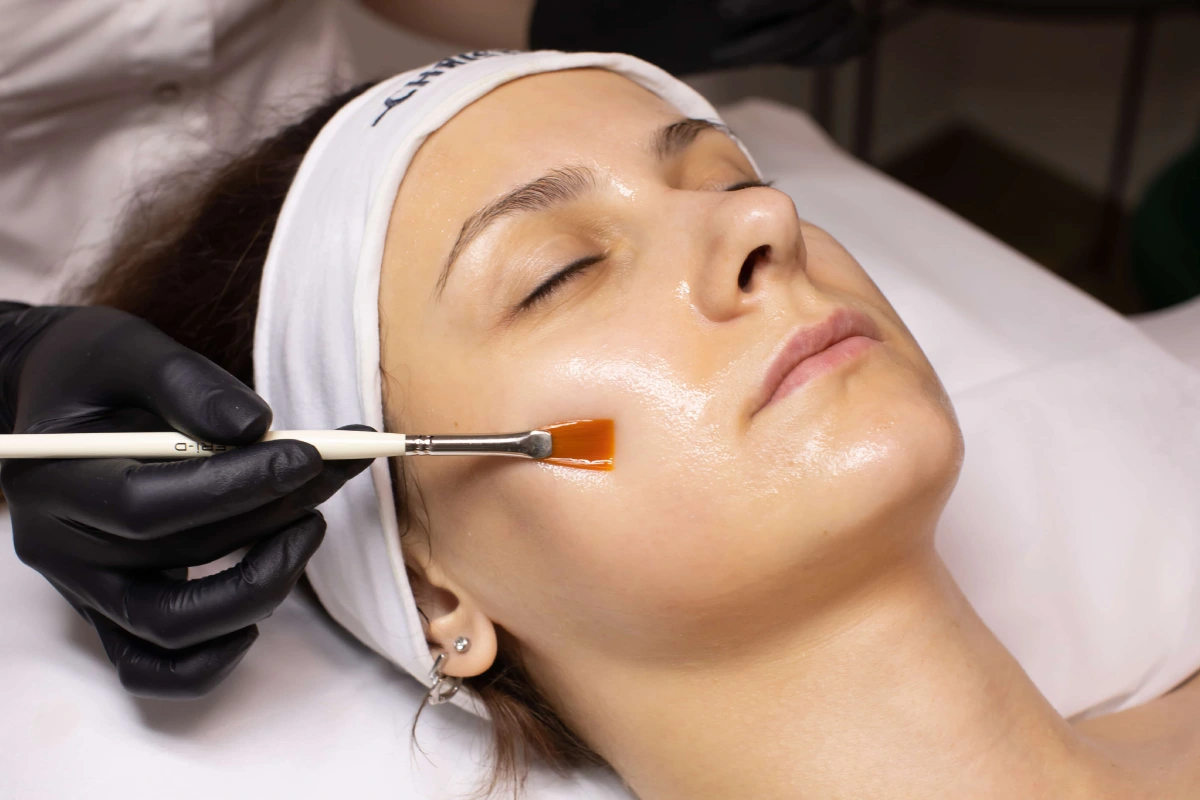
At Syracuse Medical Aesthetics in Liverpool, NY, chemical peel treatments are offered using the Glytone glycolic acid formula, a professional-grade exfoliating facial treatment designed to address the underlying cellular and structural changes that cause aging skin to lose its radiance. For patients dealing with hyperpigmentation and dullness treatment needs or a complexion that looks persistently tired despite consistent care, this approach offers a meaningful step forward.
As we age, cellular turnover slows, dead skin accumulates on the surface faster than it sheds, and collagen decline reduces the skin’s structural brightness, creating the dullness that consistent skincare alone struggles to reverse. Chemical peels address this directly by accelerating renewal and stimulating deeper skin activity to restore a healthier-looking complexion, with results developing over several weeks and varying based on skin type, peel depth, and treatment consistency.
When we’re younger, our skin renews itself about every 28 days, so fresh, glowing cells are always on the surface. As we age, this process slows to 45 to 60 days or more. This slower cycle leads to two main changes:
These changes happen at the same time, which is why it gets harder to fix dullness with just creams or serums as we get older. years pass.
Moisturizers and hydrating serums improve the surface appearance of dullness by enhancing water content and temporary luminosity, but they do not accelerate the underlying cellular turnover that has slowed with age. Brightening ingredients including vitamin C, niacinamide, and topical AHAs can improve skin clarity and tone at a surface level, but they don’t penetrate deeply enough to stimulate the dermis-level collagen and cell activity needed for meaningful glow restoration.
As we age, the layer of dead skin that builds up acts as a barrier, making it hard for even the best products to work well. To truly bring back your skin’s glow, you need a treatment that removes this layer and boosts deeper renewal that creams alone can’t reach.
Chemical peels use carefully selected acids to dissolve the bonds holding dead skin cells together, triggering a controlled exfoliation that removes the accumulated surface layer more thoroughly than physical scrubs or at-home products. At Syracuse Medical Aesthetics, the Glytone chemical peel uses glycolic acid, an alpha-hydroxy acid with a small molecular structure that penetrates the skin effectively to address both surface accumulation and the deeper cellular environment where lasting radiance begins.
This process also activates your skin’s natural repair system, leading to two stages of improvement:
This combination is what makes a chemical peel a more comprehensive skin renewal and repair treatment than surface-only exfoliation.
Removing the accumulated dead skin layer exposes fresher, more reflective cells beneath, producing an immediate improvement in surface brightness that most patients notice within days. This addresses the most visible component of hyperpigmentation and dullness treatment by clearing the dulling surface layer that has been diffusing light rather than reflecting it.
The deeper benefit comes from increased collagen, which starts forming in your skin over the weeks after treatment. This makes your skin firmer and better at reflecting light, so your glow lasts longer. Reduction in surface irregularities, including mild pigmentation, uneven skin tone treatment concerns, and fine texture changes, contributes to a more uniform complexion that reads as genuinely healthier rather than just temporarily brightened.
Most patients notice an immediate improvement in surface brightness within the first week after the peel resolves, with continued improvement in tone, firmness, and radiance developing over four to eight weeks as collagen production increases.
Facial exfoliation in Liverpool, NY through a Glytone chemical peel at Syracuse Medical Aesthetics typically works best as a series of treatments, with superficial glycolic peels scheduled every four to six weeks to maintain the accelerated turnover effect. Consistent sun protection after treatment is essential, as UV exposure can trigger new pigmentation and counteract the collagen production the peel has stimulated.
The patients who benefit most typically share these characteristics:
If you have a darker Fitzpatrick skin type, it’s important to choose the right peel to avoid post-inflammatory hyperpigmentation. A consultation will help determine the best concentration and approach for your skin. Having realistic expectations about how quickly you’ll see results also helps you get the best outcome.
If your skin looks dull, uneven, or tired even though you take good care of it, a chemical peel at Syracuse Medical Aesthetics could be the solution you need. Our team in Liverpool, NY will work with you to understand your skin concerns and recommend the best Glytone treatment for real, natural-looking results. Contact us to find out more about how it works.
Book your chemical peel session now and take the first step toward a clearer, healthier-looking complexion.
Healthier Skin. More Confidence. Less Stress.
Book your consultation today and experience the Syracuse Medical Aesthetics difference. Our team of medical experts is here to listen, assess, and create a personalized plan tailored to your skin, because you deserve more than a one-size-fits-all approach.
Start Looking & Feeling Great Today
Healthier Skin. More Confidence. Less Stress.
Book your consultation today and experience the Syracuse Medical Aesthetics difference. Our team of medical experts is here to listen, assess, and create a personalized plan tailored to your skin, because you deserve more than a one-size-fits-all approach.